Compressed Sensing MRI
Translating compressed sensing theory into clinical environments to accelerate MRI scans. Improving patient comfort and throughput without sacrificing diagnostic quality.
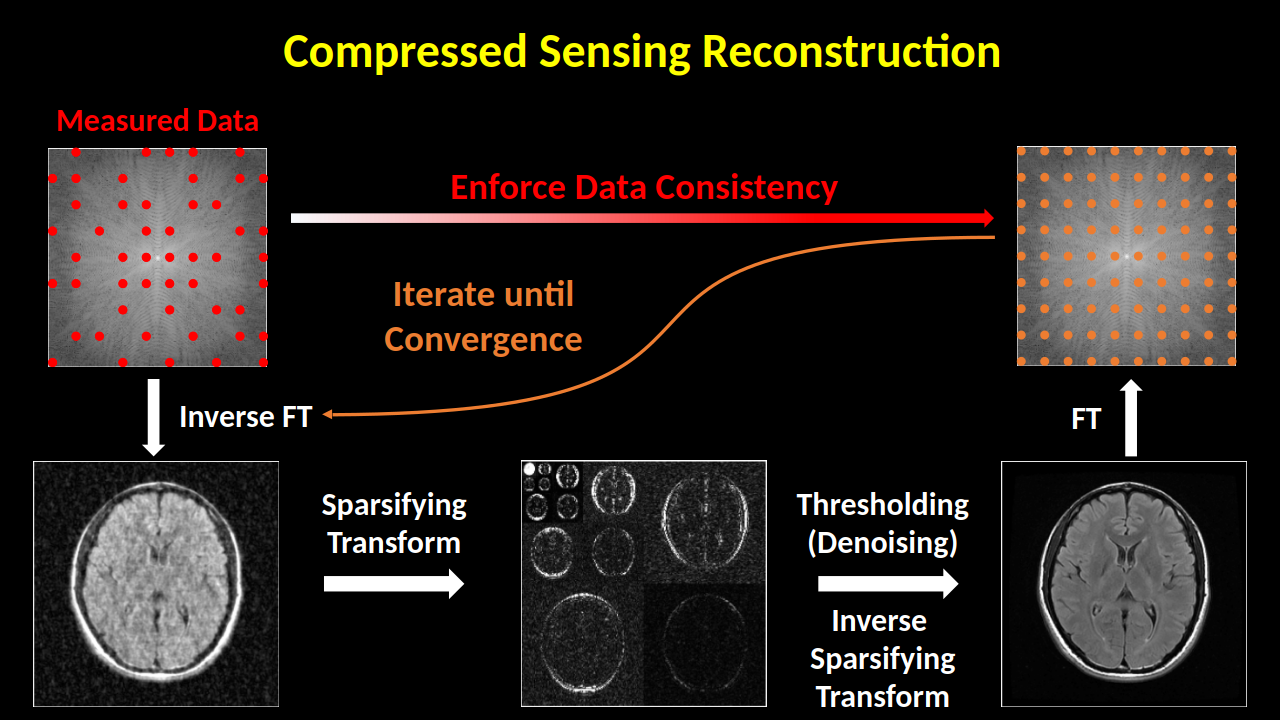
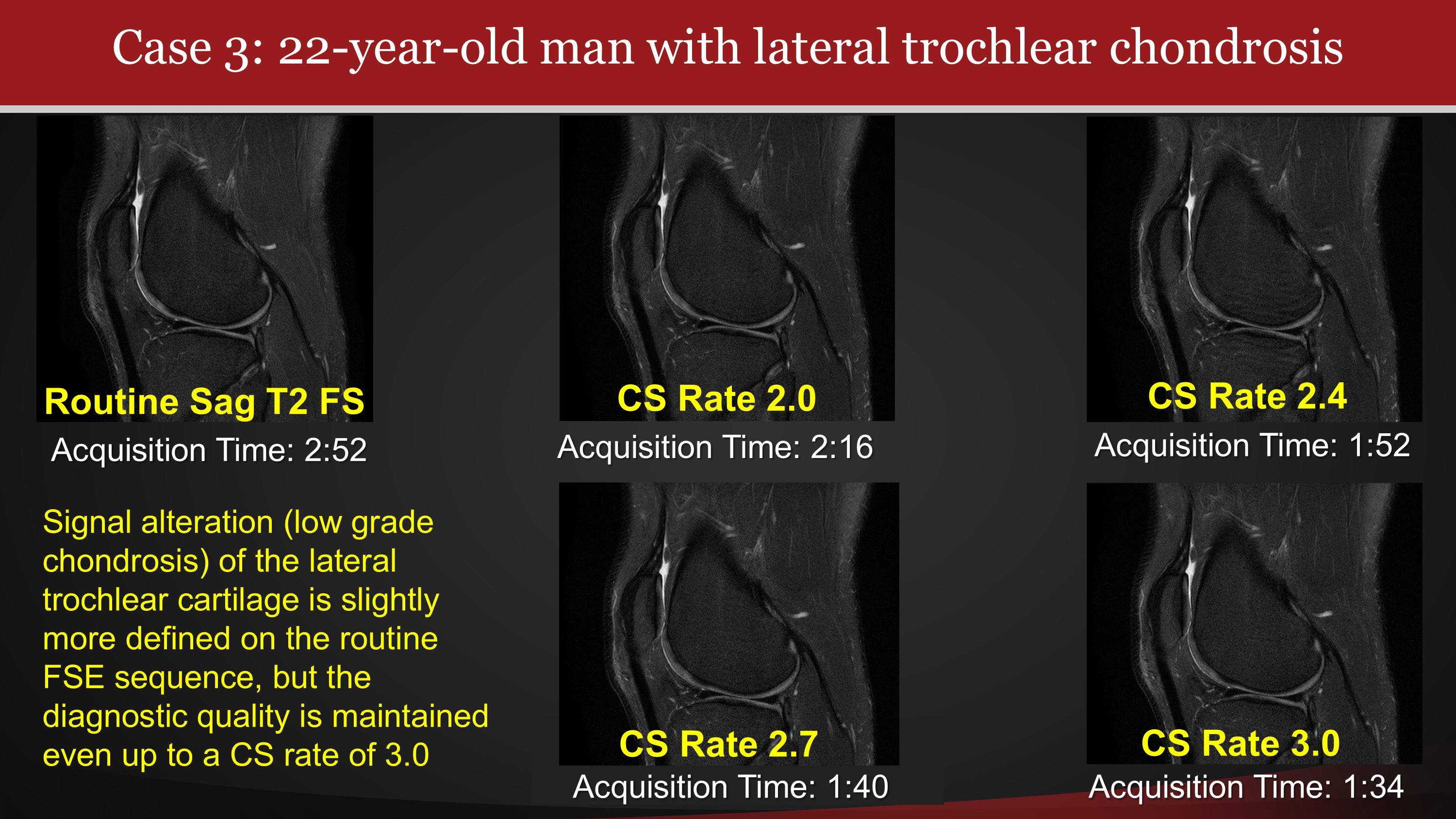
Compressed sensing theory has been successfully integrated into MRI image reconstruction, allowing shortened acquisition time by exploiting the inherent sparsity of MR images in suitable transform domains (e.g., the wavelet domain), combined with incoherent k-space undersampling and nonlinear iterative reconstruction.
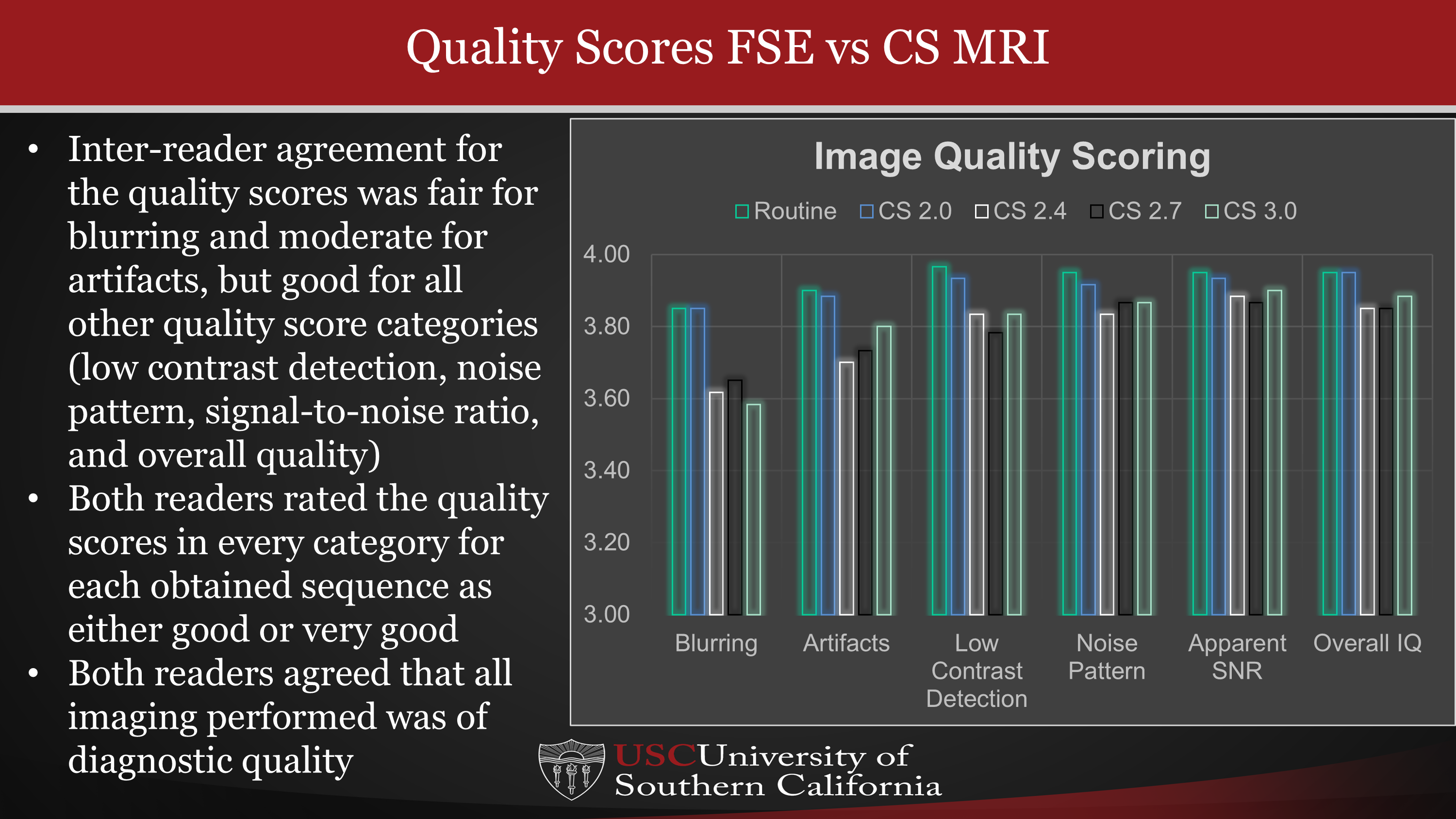
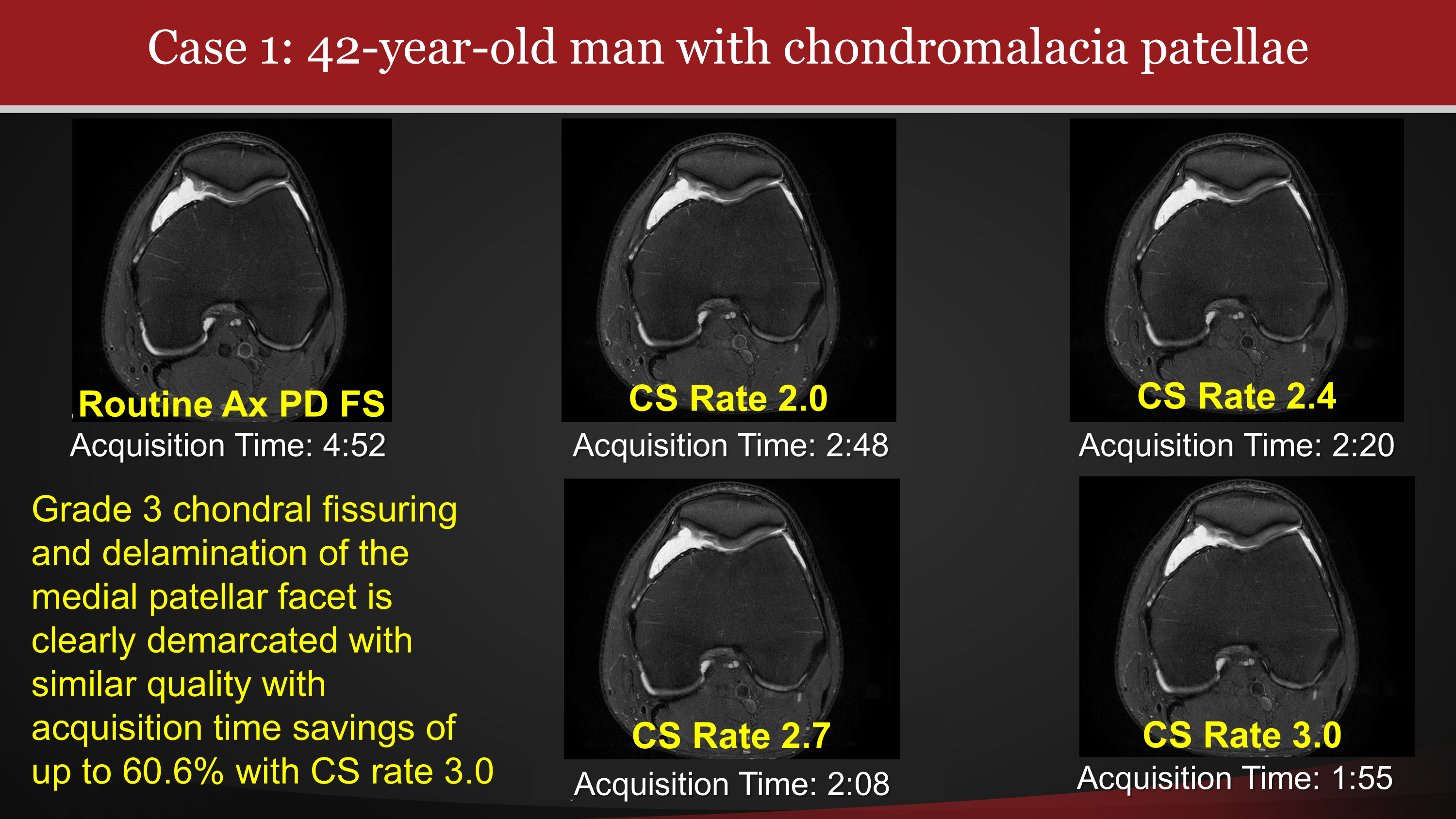
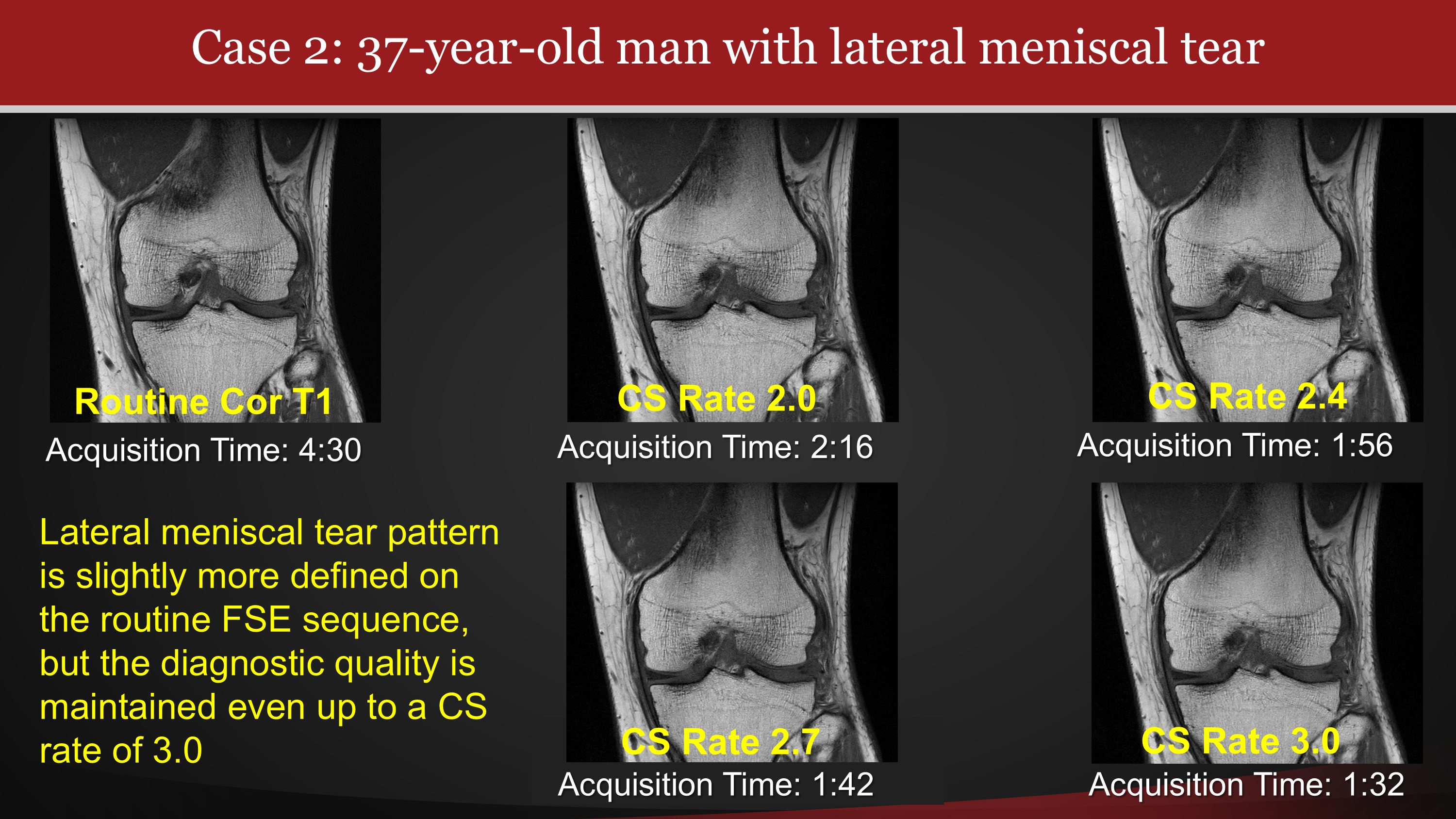
Compressed sensing MRI (CS-MRI) increases imaging throughput and improves patient comfort without sacrificing image quality. Shorter scan times also reduce the possibility of motion artifacts, leading to clearer images for diagnosis.
Similar to my work on MRI-DLR, I contributed to the validation efforts that supported FDA 510(k) clearance for Compressed SPEEDER for clinical use.
Peer-reviewed publications
- Matcuk, George; Do, Hung P. and others. “Compressed Sensing Magnetic Resonance Imaging (CS-MRI) for Accelerated Knee MR Imaging.” Proceedings of the Radiological Society of North America Education Exhibits, Chicago, Nov 2018. PDF-SLIDES
Get future posts delivered to your inbox.